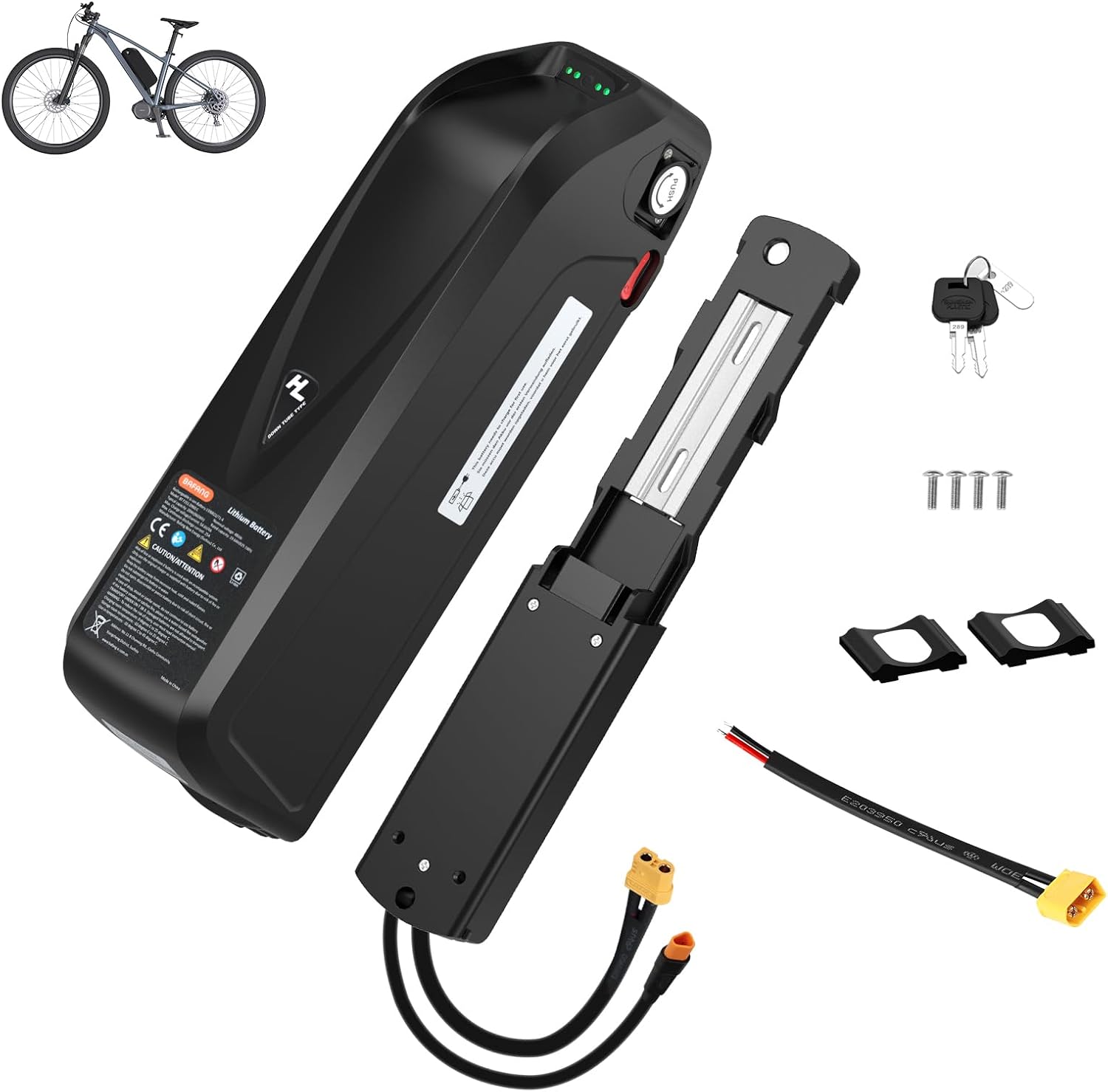
Best choice
BAFANG BBS-HD 1000W Kit
Best-ranked BBSHD kit on sale
- Complete mid-drive conversion kit
- 1000W
- Fits 68/100/120mm bottom brackets
Bafang's 1000W BBSHD mid-drive and the parts that keep it climbing: the standard kit, the kit with a battery and the newer CAN-bus version, ranked by what builders buy.
Ranked by sales and demand · updated September 2026
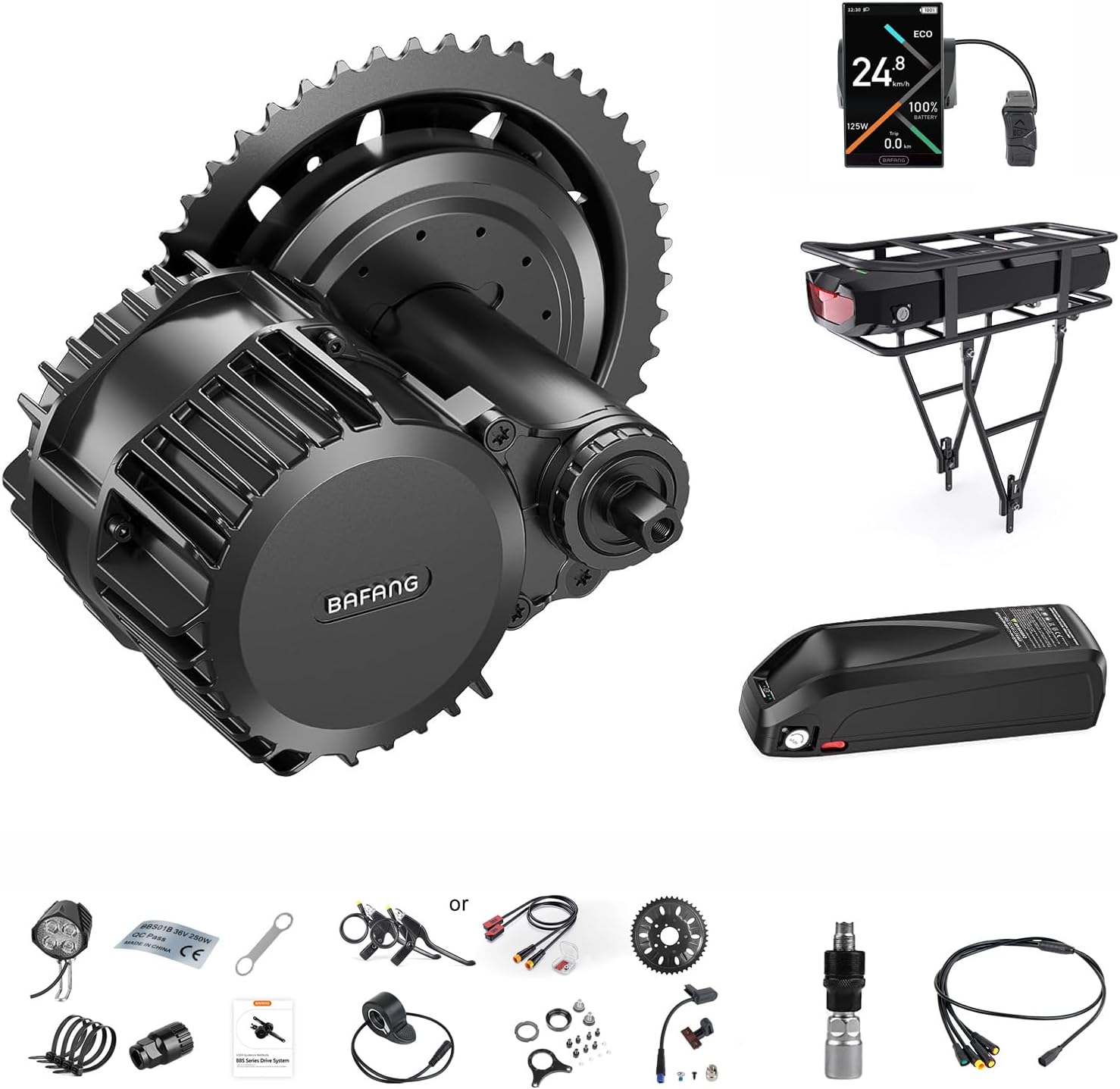

The BBSHD is Bafang's heavy-duty mid-drive: a 1000W motor, rated for 48V packs and just as happy on 52V, that bolts into your bottom bracket and drives the chainring directly. Because it pulls through the cassette, a steep fire road gets the same low gear you would pick on your own legs, and the motor stays in its efficient speed range instead of bogging down.
Bafang also sells the same motor as the BBS03, and its factory code is MM G320.1000, so all three names point at one unit. The 30A controller lives in the finned cap on the back of the motor, where it can be swapped without opening the gearbox. Claimed torque is 160Nm at the crank, and that figure is why cargo riders, heavy riders and fat-bike owners pick this motor over lighter kits.
All three are complete conversions: motor, crank arms, chainring, wiring harness, throttle, brake cut-offs, speed sensor and a display. What changes between them is the electronics and what else ships in the box. A bare "motor only" unit suits a bike that already carries the rest of a BBSHD system; for a first build, a full kit saves hunting for connectors.
Why it fits your build: The classic UART kit with no battery in the box, so the 48V or 52V pack you own plugs straight in.
Three questions decide a BBSHD kit: whether this is a first build, what you want to change, and whether you already own a battery. Behind those sits one measurement no setting can fix later, and that is the width of your bottom bracket shell.
Pull the cranks, put a caliper across the shell and look at the threads. The BBSHD wants a threaded shell with an inner diameter of roughly 33.5–36mm. Press-fit shells need an adapter, and some frames will not take one at all.
| Your frame | Shell | Kit to order |
|---|---|---|
| Road, hybrid, most hardtails | 68–73mm threaded | Standard 68–73mm kit |
| Fat bike, narrower shell | 100mm | 100mm version |
| Fat bike, widest shell | 120mm | 120mm version |
| Downhill frame | often 83mm | Usually no fit |
| Press-fit or BB30 | oversized bore | Adapter, or another donor bike |
Two more frame checks save a return. The motor body hangs below and ahead of the shell, so a low down tube, a kickstand plate or a suspension linkage can foul it. Coaster-brake hubs and carbon frames are poor candidates, since the kit relies on hand brakes with cut-offs and clamps hard on the shell.
Next comes power. Answer these honestly and the kit picks itself:
Voltage is covered in depth in the 48V vs 52V battery guide. Frame checks beyond the shell, from chainstay clearance to lockring torque, sit in the install walkthrough.
 E-Mangue Thumb Throttle |
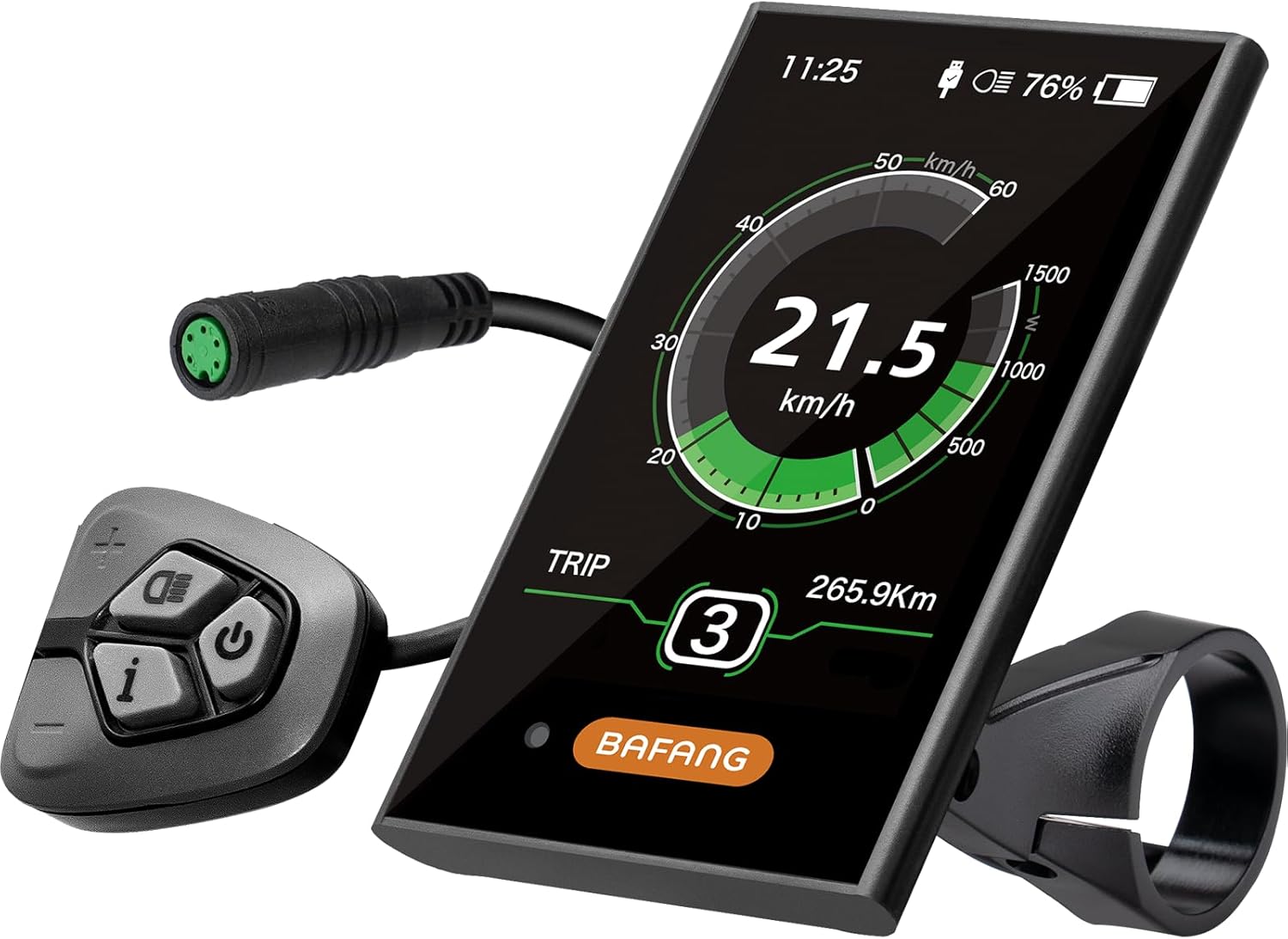 BAFANG DPC18 Color Display |
 Zeekpowa Speed Sensor |
 Zeekpowa Brake Lever (3-pin) |
 BAFANG BBS-HD 1000W Kit |
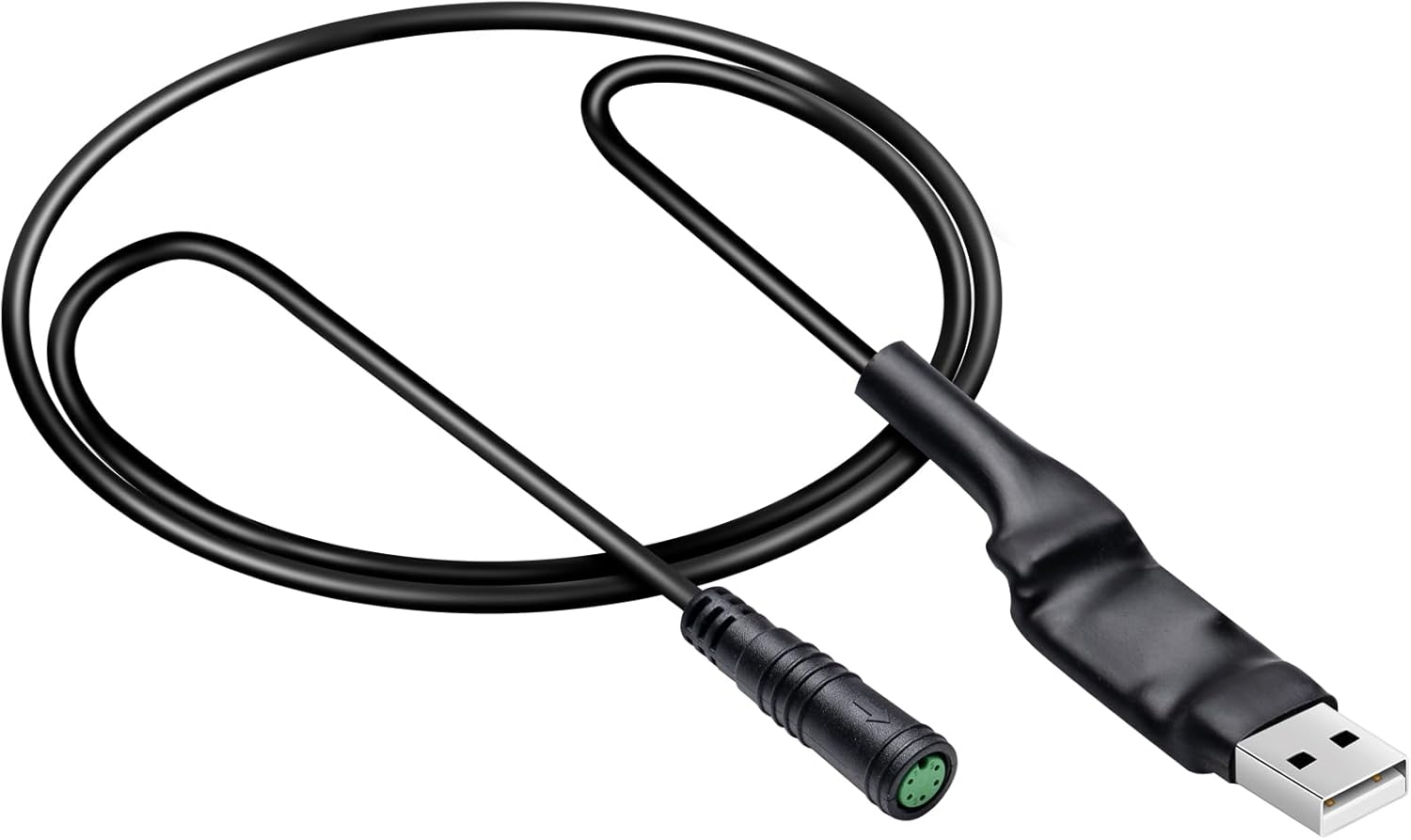
 Zeekpowa Programming Cable | |
| Type | Throttle & sensors | Display | Throttle & sensors | Throttle & sensors | Conversion kit | Cables & programming |
| Power | — | — | — | — | 1000W | — |
| Shop now | Shop now | Shop now | Shop now | Shop now | Shop now |
A BBSHD kit lasts years, but the small parts hanging off it get snapped in crashes, chewed by weather or swapped for something nicer. Those plug-in parts share one connector system across the BBS01B, BBS02B and BBSHD, which makes them easy to replace.
Everything on the handlebar meets the motor through the 1T4 harness. Its 8-pin plug goes into the motor, and it splits into a 5-pin lead for the display, a 3-pin lead for the throttle and two 3-pin leads for the brake cut-offs. Know the pin count and plug gender and you will order the right part the first time.
One trap catches many owners. UART and CAN-bus versions of the BBSHD use different electronics, so a UART display will not run a CAN motor. Check the plug on your harness, or the label on your controller, before buying a new screen.
The same rule applies to light kits, since some are wired for UART harnesses only, and to replacement controllers, which come in old and new housing sizes. Display choices are compared in the BBSHD display guide.
The 5-pin USB lead that opens up the controller: assist levels, start current, throttle mode and low-voltage cutoff, all set from a laptop.
Shop now
A 3.5-inch colour screen with nine assist levels, automatic backlight and a USB port to top up a phone, made for UART BBS01B, BBS02B and BBSHD motors.
Shop now
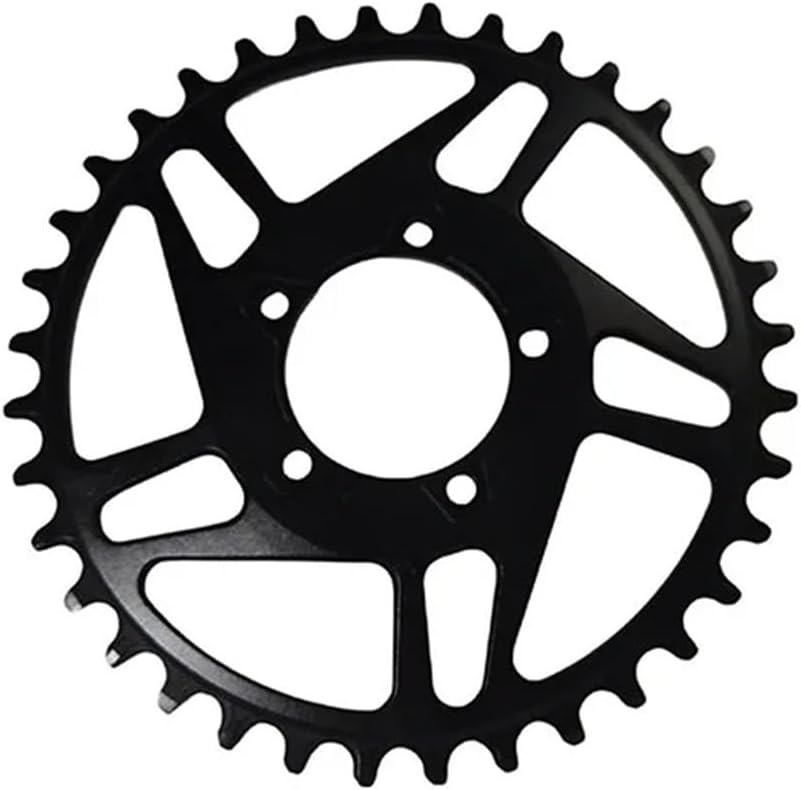
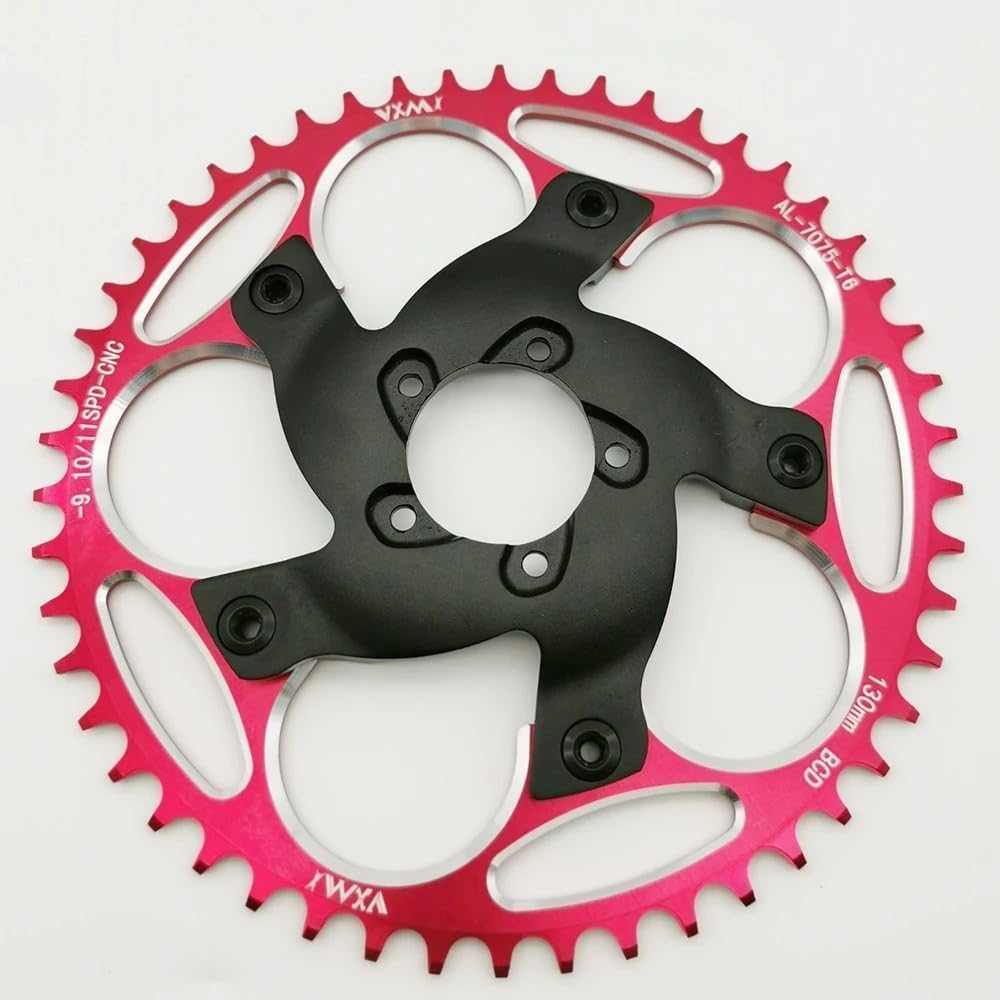
An offset BBS-HD chainring in 36T or 46T that pulls the chain inboard, so the small cogs stop throwing it on rough ground.
Shop now
A thumb throttle with Bafang's 3-pin female plug for BBS01B, BBS02 and BBSHD motors, mounting left or right on a standard flat bar.
Shop nowThe motor is the expensive half of a BBSHD build, yet the parts that shape how it rides cost a fraction of it. Ask owners which upgrade made the bike feel finished and four names keep surfacing.
Each upgrade has its own deep dive. Every tab of the configuration tool is walked through in the programming guide, while offset, tooth counts and the cassettes that survive a mid-drive fill the chainring guide. If the motor has started clicking or slipping, the nylon gear and clutch guide is the place to start.
Chainrings and spiders outnumber every other kind of BBSHD part by a wide margin: fifteen families out of 39. The next biggest groups, throttles and sensors and cables and programming parts, count five each, with four displays, three kits and three controllers behind them.
That spread says something about the motor. The BBSHD uses its own chainring spline, so rings made for the BBS01 and BBS02 will not fit, and every HD owner who wants a different tooth count needs an HD-specific part. The stock ring also sits far outboard, which is why so many of these rings advertise offset.
Controllers are a smaller group, and they need care. Several replacement units cover the whole BBS range in one product, from 36V 250W up to 48V 1000W, and only the 1000W option matches a BBSHD. Batteries look scarce here for a different reason: most builders run a generic 48V or 52V pack, and only a few packs carry the motor's name at all.
Tooth count shapes every climb and every top-speed run. A 42T ring suits mixed riding on a 27.5-inch wheel, while cargo builds often drop to 36T or smaller for long grades. The chainring guide and the fat-bike guide go through the maths. As a rule, drop a few teeth if you haul weight or ride steep dirt, and add them only if you spend most of your time on flat pavement.
39 kits and parts, grouped by type. Open one for fit and compatibility notes.







Many BBSHD kits arrive with a menu of options rather than one fixed box, and the menu often mixes two motors. The 500W and 750W choices on a combined BBS02B/BBS-HD kit are BBS02B motors; only the 1000W choice is the HD.
Work down the options in order before you add anything to the cart. Each one changes the part that arrives, and two of them cannot be fixed after the fact.
Plug-in parts deserve the same scrutiny. Thumb throttles for these motors use a female 3-pin plug and a clamp for 22.2–22.5mm bars. Cut-off brake levers work with cable brakes, and a light kit may be built for UART harnesses only. Displays differ in screen size, button layout and protocol, so match the display to the motor version before you match it to your taste.
Every kit and part in the grid carries its own fit notes, grouped by the motor versions it suits.
Once the kit is in the garage, the questions change from which kit to how to fit it, tune it and keep it alive. The guides follow the order in which most first builds run into trouble.
Read any owner's BBSHD review and the same points come up. It is strong, simple and easy to repair with common parts, and it takes abuse that would cook smaller kits. The usual complaints are the weight, the wide chainline, the cadence-based assist that feels more on-off than a torque sensor, and a nylon primary gear that wears under hard launches.
Heat deserves a word of its own. A long climb at full current on a loaded bike soaks heat into the motor faster than the air can take it away. Riders who manage it well do three things:
A BBSHD belt drive is possible with a split-stay frame and a belt sprocket on an HD spider, usually paired with an internal gear hub, but it is a custom project rather than a kit option. For the motor itself against rivals such as the Bafang Ultra and the CYC X1 Pro, see the motor comparison.
It is Bafang's heavy-duty mid-drive motor, rated at 1000W with a 30A controller and a claimed 160Nm of torque. It replaces your bike's bottom bracket and drives the chain, so it climbs through your gears.
It fits threaded bottom brackets of 68–73mm with the standard kit, and 100mm or 120mm shells with the fat-bike versions. Press-fit shells need an adapter, and carbon frames and bikes with coaster brakes are poor candidates.
In most states, no: the Class 1–3 e-bike rules cap motors at 750W, and the BBSHD is rated at 1000W. It is treated as an off-road machine unless your state's rules say otherwise.
Both work with the stock controller. A 52V pack gives roughly 8% more voltage, so a little more speed and punch at the same current, and holds its power better as it drains.
Yes, bare replacement units exist for bikes that already carry a BBSHD harness, display and battery. For a first conversion a complete kit is simpler, because every connector already matches.
The nylon primary gear inside the motor, especially with hard launches at full current. It can be replaced, and gentler start settings make it last much longer.
Not ready to strip a bike down? These ready-built e-bikes arrive with their own motors and batteries. None of them uses a BBSHD, and none needs a single tool beyond the pedals.